



Fake Investigation, Forged Orders and “Digital Arrest”: Mumbai Businessman Loses ₹7.9 Crore in Cyber Fraud
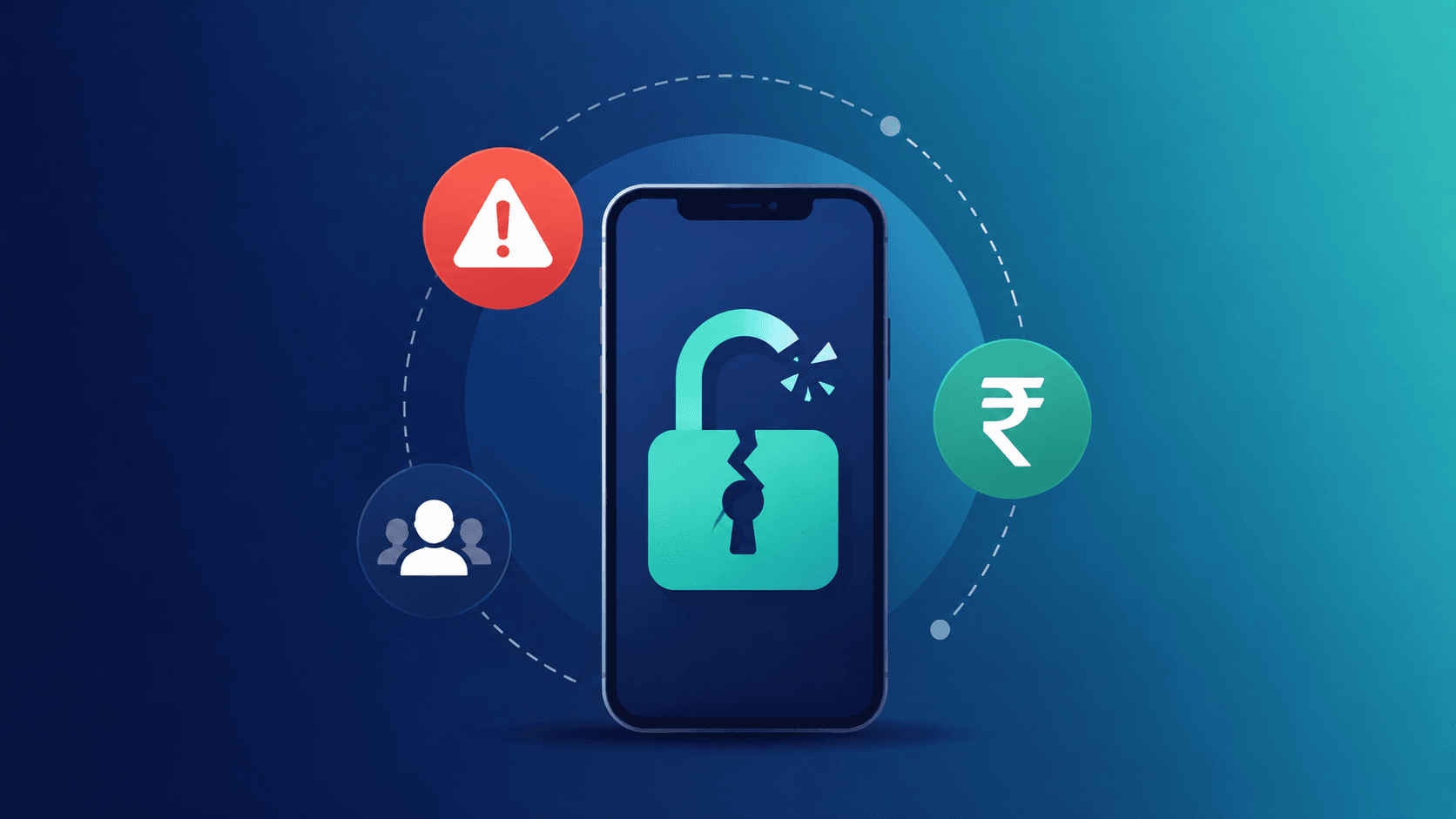
A 73-year-old Mumbai businessman was allegedly trapped in a fake money-laundering investigation by fraudsters posing as Delhi Police officers. Using forged documents and the threat of “Digital Arrest,” they pressured him into transferring ₹7.9 crore.

Listen to this article
Text-to-speech is not available in this browser.
Mumbai, July 21, 2026: A 73-year-old businessman from Mumbai’s Andheri area was allegedly contacted by fraudsters posing as Delhi Police officers and told that a bank account linked to his identity had been involved in a serious money-laundering case. He was subsequently kept under pressure for nearly two weeks through a fake investigation and so-called “Digital Arrest”, during which he transferred nearly ₹7.9 crore to multiple bank accounts. A complaint was registered at the West Region Cyber Police Station on July 21.
1. Victim Background
The victim is a 73-year-old businessman residing in Andheri who runs a tours and travels business. The fraud began on July 5, when he received a WhatsApp call from a person claiming to be a Delhi Police officer. The caller alleged that the victim’s Aadhaar details had been used to open an account in a nationalised bank and that ₹7 crore had been deposited into it. The caller further claimed that the matter was connected to national security.
2. Sequence of Events
Following the initial call, the victim was subjected to a purported interrogation through WhatsApp video calls. He was threatened with an arrest warrant and instructed not to disclose the matter to anyone at home, allegedly because the investigation was confidential.
The fraudsters subsequently sent fake documents referring to an Enforcement Directorate investigation. They later claimed that a writ petition had been filed in the Supreme Court and that the victim’s mutual funds, fixed deposits and bank deposits had to be transferred to specified accounts for “verification”. A forged Supreme Court order was also sent to strengthen the deception.
Between July 7 and 16, the victim transferred approximately ₹7.9 crore through six transactions to private bank accounts provided by the accused. On July 18, officials from the West Region Cyber Police reached his residence and informed him that he was being targeted in a “Digital Arrest” fraud. A complaint was subsequently registered on July 21.
3. Method Used by the Fraudsters
The fraud involved impersonation of government officials, forged legal documents, WhatsApp video calls and the fabricated concept of “Digital Arrest”. The victim was first made to believe that he was connected to a serious financial crime and was then pressured into transferring his own funds under the pretext of an official investigation.
The investigation has also revealed the use of around 200 “mule bank accounts” spread across five states, indicating an organised effort to move and obscure the flow of the transferred funds.
4. Emotional Manipulation
The operation relied not only on technology but also on fear and the false appearance of authority. Threats of arrest, references to national security and an alleged serious financial investigation created sustained psychological pressure on the victim. Instructing him to keep the matter secret from his family further reduced the possibility of independent verification.
5. Impact
The victim suffered a financial loss of approximately ₹7.9 crore. Cyber police initiated efforts to trace the transferred funds, and around ₹1.1 crore has reportedly been recovered or frozen during the investigation. Efforts to trace the remaining funds are continuing.
6. Safety Measures Do not transfer money in response to threats of arrest or legal action. Independently verify the identity of anyone claiming to represent the police, courts or another government agency through an official channel. Treat WhatsApp calls, video interrogations and legal documents received digitally in connection with a supposed “Digital Arrest” as major warning signs. Do not hide such incidents from family members or trusted people. In case of financial cyber fraud, immediately contact 1930 and report the incident through the National Cyber Crime Reporting Portal — cybercrime.gov.in.
Closing Impact: The case demonstrates how cybercriminals can weaponise not only technology but also fear, trust and psychological pressure. When faced with an online legal threat, the safest response is to pause, verify and contact the concerned official authority rather than act under pressure.
What to do immediately
Disconnect from the scammer
End the call or chat. Do not continue because the scammer sounds official or angry.
Call 1930 if money moved
The first hour gives the best chance of freezing transfers.
Save evidence
Keep transaction IDs, phone numbers, links, screenshots, and call records.
Protection checklist
- Never share OTPs, PINs, passwords, or screen-sharing access.
- Verify urgent claims using official phone numbers only.
- Talk to a trusted person before moving money under pressure.
- Report suspicious calls and messages quickly.