



Fake Job Application Link Leads to ₹1.51 Lakh Loss; Ghaziabad Man Arrested
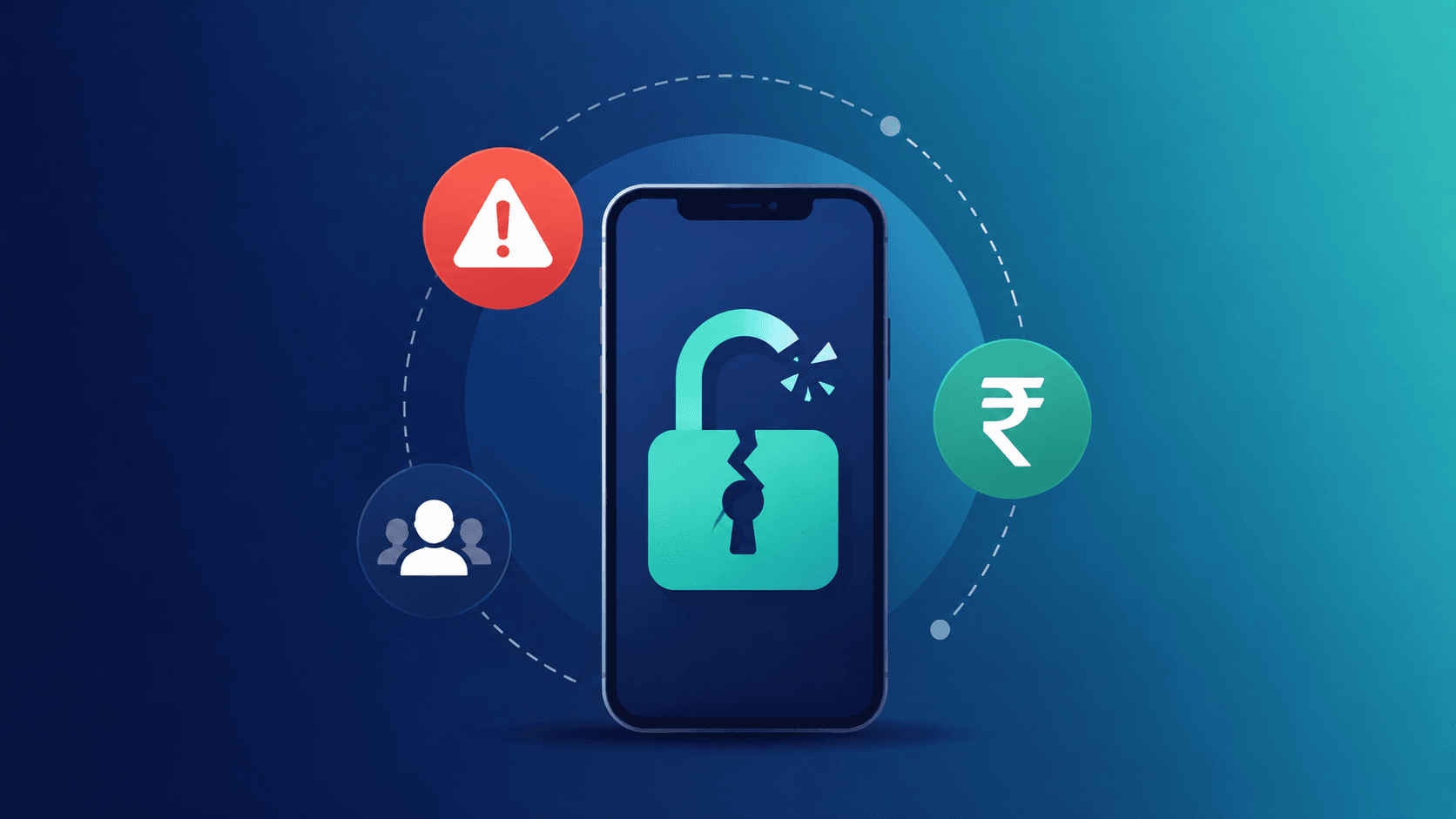
A Delhi woman lost ₹1.51 lakh after clicking a fake job-application link that allegedly compromised her phone and led to eight unauthorised transactions. Police later arrested a Ghaziabad man in connection with the case.

Listen to this article
Text-to-speech is not available in this browser.
New Delhi, April 2026: A Delhi woman lost ₹1.51 lakh after clicking a fraudulent job-application link that allegedly compromised her phone and led to eight unauthorised transactions. Police traced part of the money to Ghaziabad and arrested a 28-year-old man in connection with the case.
1. History of the Victim
The victim, a woman from East Rohtash Nagar in Delhi, was reportedly seeking employment when she received what appeared to be a job-related opportunity. She was asked to register through a link sent to her mobile phone.
The offer appeared to be connected with a job application, but the link ultimately became the entry point for the cyber fraud. According to police, after the woman clicked the link, her phone was compromised.
2. Series of Incidents
The victim received a link on her mobile phone and was asked to use it for registering for a job.
After clicking the link, her phone was allegedly compromised. Following this, eight unauthorised transactions were carried out from her bank account, resulting in a total financial loss of ₹1,51,018.
The victim reported the incident through the National Cyber Crime Reporting Portal, following which an FIR was registered on 13 November 2025.
During the investigation, police traced ₹10,000 of the stolen amount to a bank account in Khoda Colony, Ghaziabad. This financial trail reportedly helped investigators identify and trace the accused.
Police subsequently arrested 28-year-old Keshav Kumar Karn, a resident of Khoda Colony, Ghaziabad. A mobile phone and SIM card were reportedly recovered from his possession.
3. Methodology Used by Fraudsters
The reported fraud relied on a fake job-application link to gain access to the victim's phone.
Instead of directly asking the victim to transfer money, the fraudulent process allegedly began with a seemingly ordinary employment-related registration. Once the victim clicked the link, her phone was compromised and unauthorised transactions followed.
The investigation also reportedly found that the arrested accused was working as a banking Customer Service Point (CSP) and was allegedly involved in facilitating fraudulent transactions. Police are continuing to investigate the case.
This case demonstrates how a cyberattack can begin with something as routine as a job application. A link that appears to be part of a recruitment process can become a serious security risk when its source and destination have not been verified.
4. Emotional Factors Exploited
The scam appears to have relied on the victim's expectation of finding employment and the credibility associated with a seemingly routine online registration process.
Job seekers may be more willing to click links or submit information when they believe doing so is necessary to secure an employment opportunity. The ordinary appearance of a registration process can therefore reduce suspicion and encourage quick action.
The incident also shows why an attractive or urgent job opportunity should not override basic digital caution. Employment-related links, forms and applications should be independently verified before being accessed.
5. Impact
The victim suffered a financial loss of ₹1,51,018 through eight unauthorised transactions. Beyond the monetary loss, the compromise of a personal device can create concerns about the security of banking and other sensitive information stored or accessed through it.
The investigation resulted in the arrest of Keshav Kumar Karn after police traced part of the stolen money to a bank account in Ghaziabad. A mobile phone and SIM card were also recovered, while further investigation remains underway.
The case highlights a broader concern: cyber fraud does not always begin with an obvious demand for money. Sometimes, the first step is simply a link that appears harmless.
6. Solutions to Stay Safe Apply for jobs through verified company websites and established job platforms wherever possible. Do not click job-registration links received unexpectedly through unknown numbers or unverified sources. Before opening a link, check the sender, website address and purpose of the application. Never provide banking credentials, OTPs, PINs or other sensitive information through an unverified link or form. Keep your phone's operating system and security applications updated. If you notice unauthorised banking transactions, contact your bank immediately and report the incident through the National Cyber Crime Reporting Portal. For financial cyber fraud, contact 1930 as soon as possible so that authorities can attempt to act on the financial trail. Preserve evidence such as the fraudulent link, messages, phone numbers, screenshots and transaction details.
What to do immediately
Disconnect from the scammer
End the call or chat. Do not continue because the scammer sounds official or angry.
Call 1930 if money moved
The first hour gives the best chance of freezing transfers.
Save evidence
Keep transaction IDs, phone numbers, links, screenshots, and call records.
Protection checklist
- Never share OTPs, PINs, passwords, or screen-sharing access.
- Verify urgent claims using official phone numbers only.
- Talk to a trusted person before moving money under pressure.
- Report suspicious calls and messages quickly.